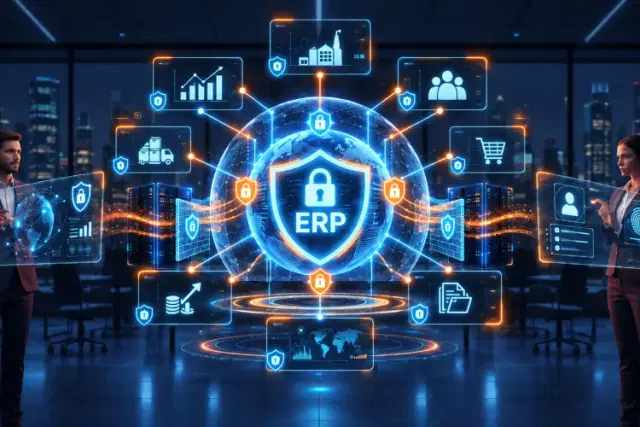
ERP modernization is the process of replacing or transforming a legacy enterprise resource planning environment with a contemporary, cloud-enabled, modular, and intelligent platform. It is not simply upgrading to a newer version of the same software. It is a foundational change in how the organization's core business data is managed, processed, and used to make decisions.
Most organizations that have been running the same ERP environment for a decade or more describe the experience the same way. What once enabled efficiency now slows everything down. Every workflow carries the weight of years of customization and workaround layered on top of architecture that was never designed to support the way the business operates today.
The real risk of a legacy ERP is not that it will break. Most legacy ERP systems do not break. They fall behind instead becoming harder to extend, slower to adapt, more expensive to maintain, and progressively less capable of supporting the decisions the business needs to make in real time.
What is ERP modernization?
ERP modernization is the transformation of a legacy enterprise resource planning system into a modern, cloud-based, AI-ready platform that supports real-time data access, modular capability, and continuous improvement without requiring a full rebuild every few years.
How is ERP modernization different from an ERP upgrade?
An upgrade installs a newer version of the same software. Modernization replaces or restructures the underlying architecture to support capabilities the original system was never designed to deliver including cloud deployment, real-time analytics, and AI-driven automation.
What is the biggest hidden cost of not modernizing?
The maintenance cost of legacy systems. 75 percent of IT spending in large organizations goes toward maintaining legacy systems, leaving minimal budget for innovation. That allocation does not appear as a modernization cost. It appears as normal IT operations and it compounds every year.
What Legacy ERP Is Actually Costing the Business
Most boards that have not recently reviewed their ERP infrastructure are looking at a cost picture that significantly underrepresents the true expense of staying on a legacy system. The visible costs are maintenance contracts, support fees, and the IT staff time dedicated to keeping the system operational. These are significant but measurable.
The invisible costs are larger. 60 to 80 percent of enterprise IT budgets are consumed by maintaining legacy systems across most large organizations. Every dollar spent maintaining yesterday's architecture is a dollar not available for the capabilities the business needs to build tomorrow.
Beyond the budget, there is the operational cost of working around a system that no longer fits how the business works. Teams build spreadsheets alongside the ERP to get analysis the ERP cannot produce. They create manual processes to connect systems the ERP cannot integrate with. They wait for overnight batch cycles to complete before they have data that competitors with modern systems can access in real time.
Legacy ERP systems still run on batch processing cycles, which means by the time data reaches an executive dashboard, it reflects what happened yesterday rather than what is happening now. When decision-making windows have compressed to the point where leadership expects real-time data before walking into board meetings, a system that delivers last night's numbers is not a system that can support the pace of the business.
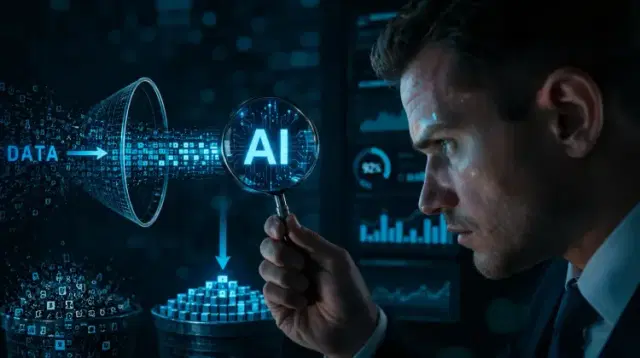
There is also the AI cost. Every AI initiative that requires clean, governed, real-time operational data will encounter the same barrier on a legacy ERP. The system does not provide the data foundation that AI workloads require. Organizations on legacy enterprise resource planning platforms consistently discover that their AI roadmap is contingent on their ERP modernization not the other way around.
Signs Your ERP Needs Modernization
Six signals appear consistently in organizations whose ERP has moved from an asset to a constraint.
Integration with modern tools requires significant custom development. 83% of ERP users experience data challenges during integration due to disconnected systems. When connecting the ERP to a modern analytics platform, a customer relationship management system, or an ecommerce environment requires months of custom development, the system is no longer extensible at a cost the business can sustain.
Reporting cycles are measured in days rather than minutes. Overnight batch processing was appropriate for the pace of business a decade ago. It is not appropriate for an organization making pricing decisions, inventory decisions, or customer service decisions in near real time.
The Four Approaches to ERP Modernization
ERP modernization is not a single approach. Four distinct strategies exist, each with different cost, risk, and outcome profiles.
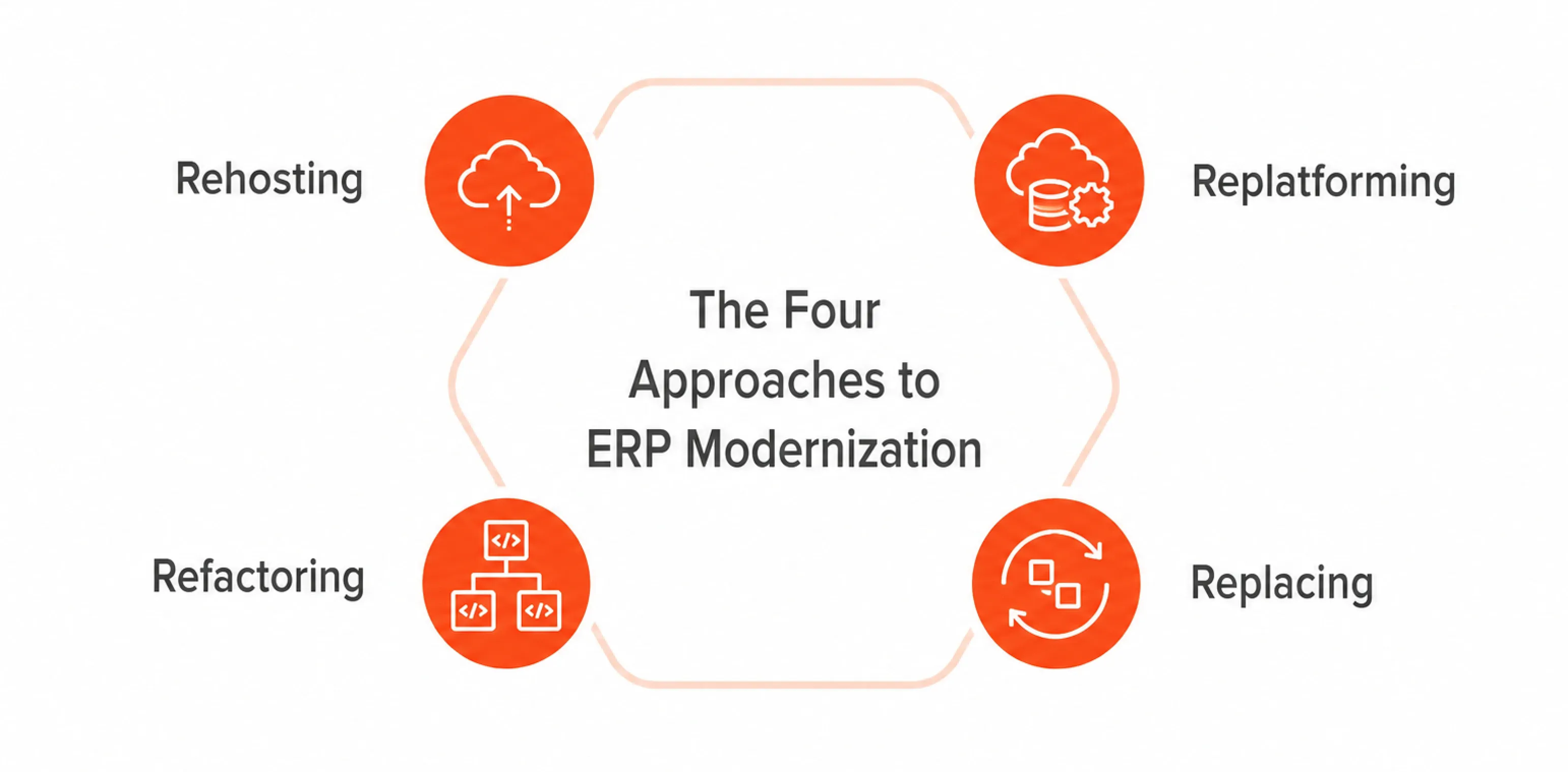
The choice between these approaches depends on how far the current system is from what the business needs, how much custom code exists that cannot be replicated in a modern platform, and how urgently the business needs capabilities particularly AI integration that the legacy system cannot deliver.
Data Migration: The Phase That Determines Everything
Every ERP modernization program includes a data migration phase. It is the phase most consistently underestimated at the planning stage and the phase most consistently responsible for timeline overruns and budget escalation at the execution stage.
Legacy ERP environments accumulate decades of data, some of it clean, most of it carrying the inconsistencies, duplications, and definitional conflicts that accumulate over years of normal business operation. Multiple divisions may have defined the same customer differently. Product codes may have been reassigned. Financial records may exist in formats that the modern system does not natively accept.
Every one of these problems must be identified, assessed, and resolved before migration. The tighter data standards required by modern ERP platforms surface every data quality problem the organization has been carrying for years. Discovering those problems during migration is significantly more expensive than discovering them during a pre-migration data assessment.
The organizations that manage ERP modernization data migration successfully start the data quality work at the beginning of the planning phase, not at the beginning of the migration phase. The assessment, the cleansing, the definition alignment, and the validation all need time that cannot be compressed without producing a migration that carries the same data problems into the modern system that existed in the legacy one.
What a Successful ERP Modernization Actually Looks Like
A major organization's migration by industry observers, required careful coordination across technical teams and business users simultaneously. The work included upgrading integration systems, improving data storage, and supporting a more scalable architecture for future growth. Following the migration, the system achieved more than 99.5 percent availability.
The organization's technology leader described the outcome directly: this was more than an upgrade. It was a foundational investment enabling tomorrow's innovations.
That framing, a foundational investment rather than a technology replacement is precisely how successful ERP modernization programs are approached. The decision is not about whether the current system is working. It is about whether it can support where the business needs to go and whether the cost of maintaining it is a justified allocation of capital that could otherwise fund that future.
How to Start an ERP Modernization Without Disrupting the Business
The sequencing of an ERP modernization program matters as much as the approach selected. Begin with an honest assessment of the current state. Map every module in use, every customization that exists, every integration that connects the ERP to other systems, and every workflow that has been built around the system rather than through it. This assessment produces the data needed to make an informed decision about which modernization approach is appropriate.
Prioritize the data quality work before anything else. The quality of data in the modern ERP will be determined by the quality of data that enters it during migration. Investing in data assessment and remediation before migration begins is the most impactful investment available at the planning stage.
Run the new and old systems in parallel during the critical transition period. Current operations must remain fully functional while the new environment is configured, tested, and validated. A cutover that happens before the new system has been validated against real operational conditions produces a crisis rather than a transition.
Define success in business terms before the implementation begins. Not in technical terms. In business terms. What will the organization be able to do after modernization that it cannot do today? What decisions will be faster? What costs will be lower? What capabilities will be available? These are the metrics the program should be measured against; not go live date and implementation budget alone.
Build the clean, governed data foundation that makes ERP modernization deliver on its promise. Talk to Complere Infosystem today.about this and build the data foundation for you.