
SLA Best Practices and Hidden Challenges in 2026
- Aug 27, 2026
- Isha Taneja
SLAs are evolving faster than most organizations realize. Here are the best practices, hidden challenges, and critical questions every business leader needs answered in 2026.

SLAs are evolving faster than most organizations realize. Here are the best practices, hidden challenges, and critical questions every business leader needs answered in 2026.

A financial services firm signed a cloud infrastructure agreement with a major provider. The SLA promised 99.9% uptime, which the provider technically delivered every month. What the SLA did not cover was degraded performance. The system was available but running at 40% of its contracted processing speed for six weeks. No SLA clause applied. No service credit was triggered. The business absorbed the operational cost of six weeks of slow infrastructure with no remedy.
The SLA was not poorly written for 2018. It was poorly written for 2026. And that distinction is where most organizations are currently exposed.
SLA stands for service level agreements.
It defines the service a supplier will deliver, the metrics by which delivery is measured, and the remedies available when those metrics are not met.
Most SLA failures trace metrics that measure the wrong things, remedies that do not reflect actual business impact, and agreements that were not updated as the service relationship evolved.
The fundamentals of SLAs remain the same, but the technology landscape they manage has changed significantly. Traditional SLA frameworks are no longer enough for modern business environments.
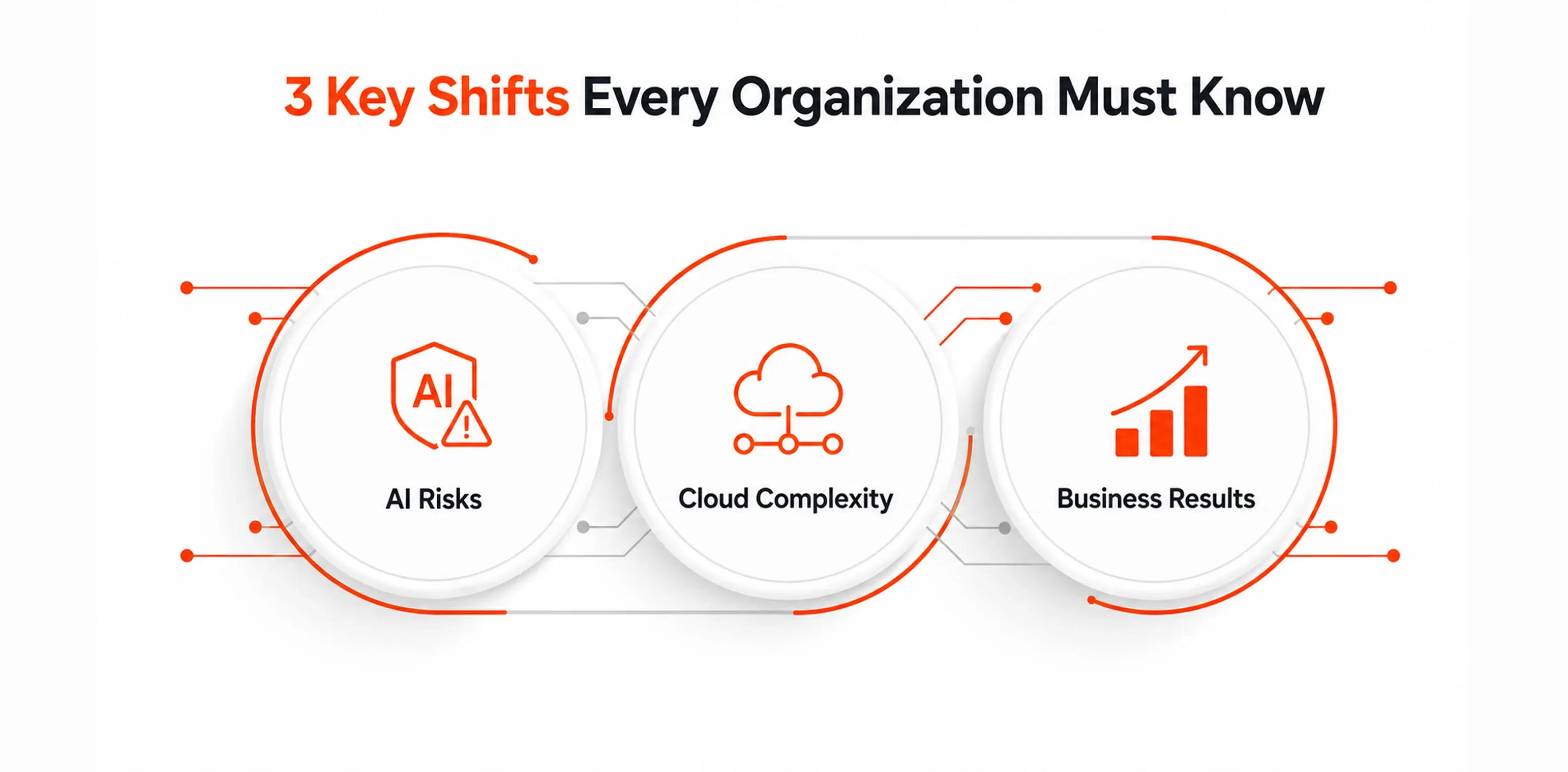
Organizations need SLAs that reflect real business impact, not only technical performance.
The components that most SLAs correctly include service definitions, availability targets, remedies, escalation procedures remain necessary. What is missing from most agreements in 2026 is the following.
The mistakes that were common in previous years remain common. But three new categories of SLA failure have emerged in the current environment.
This is the category where most organizations currently have the least guidance and the most exposure.
An AI vendor SLA needs to address dimensions that traditional IT SLAs were not designed to cover.
Model accuracy should be a contractual commitment. If the vendor's AI is expected to produce outputs at a specified accuracy level including document processing, customer interaction, and financial analysis, and that accuracy level should be defined, measured, and tied to a remedy structure. A vendor who cannot commit to a minimum accuracy standard is telling the customer something important about how confident they are in their own system.
Model drift should be an explicit risk category. AI models perform differently over time as the data they were trained on becomes less representative of the inputs they are receiving. The SLA should require the vendor to monitor and report on model performance over time and to notify the customer when performance has degraded below a defined threshold.
Explainability should be a deliverable. For any AI assisted service used in a regulated industry or in a context where decisions may be audited, the vendor should be contractually obligated to provide explanations of how outputs were produced. An AI vendor who cannot meet this requirement should not be under contract for use cases where that requirement is not optional.
An earn back provision allows a vendor to reclaim service credits they have already paid out by subsequently performing above the contracted service level for a defined period.
From the vendor's perspective, an earn back is a logical mechanism. If they have delivered above standard consistently for three months following a breach, they should have some way to recover the penalty they paid during the breach period.
From the customer's perspective, earn backs are problematic for one specific reason. The service credit is compensation for the impact the customer absorbed during the breach period. That impact does not disappear because the vendor subsequently performed well. A customer who suffered six weeks of degraded performance does not become whole because the service was excellent for the following quarter.
The recommendation is to negotiate earn back provisions carefully and narrowly if you accept them at all. If an earn back is agreed upon, it should apply only to minor breaches, cover no more than 50 percent of the issued credit, and require a sustained performance period of at least three months before it can be claimed.
The most common SLA failure mode is not a poorly written agreement. It is an agreement that was never actively managed after the contract was signed.
SLA management requires three ongoing disciplines that most organizations do not formally practice.
The first is continuous measurement. SLA metrics should be captured automatically wherever possible. Manual measurement is inconsistent, labor intensive, and creates disputes about data when a vendor challenges a service credit claim. Automated monitoring that captures performance data in real time and produces verifiable records is the baseline for any SLA that will be taken seriously by both parties.
The second is periodic review. Business requirements change. Vendor capabilities change. A 99.9 percent availability standard that was appropriate two years ago may be inadequate for a system that now supports a real time customer facing operation. SLAs should be reviewed on a defined schedule, at minimum annually, and updated to reflect the current service environment and business context.
The third is clear escalation practice. Every SLA should define who is notified when a metric is breached, what the vendor's response timeframe is, and what happens if the breach is not resolved within the defined window. Organizations that treat escalation as an informal conversation rather than a contractual mechanism consistently get worse outcomes from vendor SLA disputes.
Build data service agreements that are governed, accurate, and tied to real business outcomes. Talk to Complere Infosystem today.


Listen in for business strategies and interviews with business experts to help you build a business and a life that you love.
About Us