CIOs in 2026: Leading the Responsible AI Revolution
- Dec 16, 2025
- Isha Taneja
CIOs shift from shipping tech fast to scaling AI responsibly with governance, trust, and human-centric leadership to protect value and risk.

CIOs shift from shipping tech fast to scaling AI responsibly with governance, trust, and human-centric leadership to protect value and risk.

The headline job of the CIO has flipped from “ship tech fast” to “scale intelligence safely.” As AI seeps into pricing, hiring, care delivery, fraud triage, and customer experience, boards now expect CIOs to hard-wire responsibility into every model and metric. That means policy-to-code governance, auditable data lineage, explainability on high-impact decisions, and an operating model where security, risk, and finance sit at the AI table from day one. In short: the mandate isn’t velocity at any cost—it’s durable value with trust.
Why this matters now: AI systems amplify both outcomes and errors. Bias, hallucinations, weak controls, and shadow pipelines don’t just create technical debt; they trigger compliance exposure, customer distrust, and brand damage. The modern CIO responds with a lifecycle discipline—how data is sourced, labeled, and protected; how models are trained, validated, deployed, and monitored; and how changes are governed with traceable approvals. Transparency, explainability, fairness, security, and auditability aren’t “nice to have” ethics statements; their business-continuity requirements are backed by runbooks, alerts, redlines, and rollback plans.
The human layer is decisive. Tools don’t transform organizations—people using them well do. CIOs who win build AI-confident workforces: literacy programs for every function, decision-intelligence playbooks for leaders, and “safe-use” handbooks that turn abstract policies into day-to-day judgment. They pair platform controls (access, masking, monitoring) with cultural rituals (show-and-tell demos, incident reviews, value notes) so teams learn, improve, and trust the system. Case in point, Complere Infosystem co-creates AI operating models with clients that put transparency, accountability, and continuous monitoring before tool choices—no deployment goes live without explainability checks and clear ownership, keeping business accountability front and center.
Looking ahead, the CIO becomes the steward of digital integrity—navigating algorithmic regulation, data sovereignty, workforce augmentation, and cross-industry standards while proving ROI with fewer incidents, faster decisions, and measurable risk reduction. The right question for 2026 isn’t “How fast can we adopt AI?” but “How responsibly and sustainably can we scale it?” Organizations that answer that—consistently—will compound trust and value.
Gone are the days when CIOs were judged only by the technologies they implemented or the speed of execution. As AI Revolution embeds itself across processes, decisions, and customer interactions, CIOs have stepped into a new era: the era of Responsible AI Leadership.
According to the 2026 Gartner CIO Leadership Outlook, 78% of CIOs now define their core responsibility as ensuring ethical, explainable, and trustworthy AI adoption across the enterprise. The role has shifted from enabling digital transformation to governing intelligence itself.
Today’s CIOs are not just technology strategists. They are risk managers, culture shapers, and ethical stewards.
A timeline showing shift from Cloud & Analytics focus → Responsible AI, Data Trust, Continuous Compliance.
| Year | Primary CIO Priority |
|---|---|
| 2021 | Cloud Modernization |
| 2023 | Enterprise Data Platform Scaling |
| 2024 | AI Adoption Acceleration |
| 2026 | Responsible AI Governance & Trust |
AI systems are no longer confined to internal analytics. AI Revolution drive pricing, hiring, medical diagnostics, fraud detection, and even legal adjudication support. But these models can learn biases, hallucinate, or misinterpret patterns, which leads to:
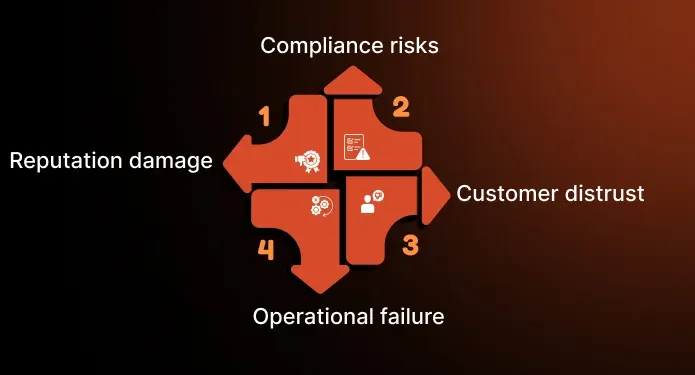
This is no longer a philosophical debate; it is a business continuity requirement. Modern CIOs are designing governance frameworks that define how data is captured, trained, validated, deployed, and monitored.
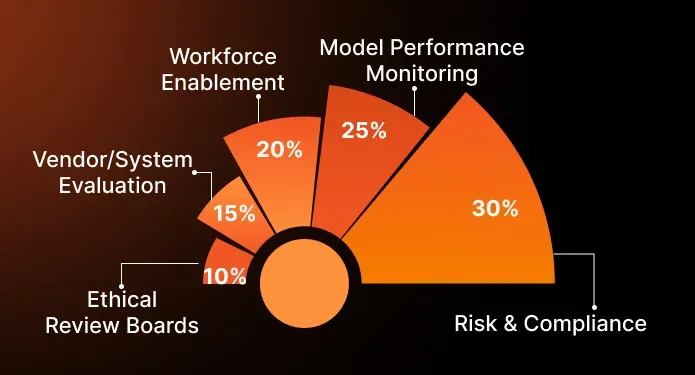
The most overlooked part of the responsible AI Revolution is human enablement. AI is only transformative when employees understand how to use it safely and effectively.
The 2026 LinkedIn Enterprise Skills Report found that companies where CIOs lead structured AI literacy programs see:
Technology does not transform organizations. People using technology well do.
At Complere Infosystem, CIO involvement begins before technology selection. They co-create AI operating models with clients rooted in:
Their work in healthcare and finance emphasizes trust: Zero model deployment happens without explainability checks. This client-first governance culture has led to:
As enterprises navigate:
The CIO becomes the central guardian of digital integrity. The strategic question of 2026 is no longer: “How fast can we adopt AI?” But “How responsibly and sustainably can we scale it?”
CIOs today are more than technology leaders, They are architects of trust, translators of intelligence, and protectors of ethical digital growth. In the age of the AI Revolution, the organizations that win will not be those who adopt fastest, but those who adopt wisely.
Is your CIO office ready to govern AI on a scale? Let’s audit your AI trust posture and build a Responsible AI playbook—policy-to-code, drift & bias monitoring, and workforce enablement for 2026. Reach out to Complere Infosystem today.

Listen in for business strategies and interviews with business experts to help you build a business and a life that you love.
About Us