The Evolution of the Modern CEO in the AI Era
- Jun 11, 2025
- Isha Taneja
Explore how modern CEOs are transforming their roles using AI—from decision-making and ethics to crisis management and innovation.

Explore how modern CEOs are transforming their roles using AI—from decision-making and ethics to crisis management and innovation.

Once upon a time, the CEO was a symbol of strategic wisdom, shareholder value, and market expansion. Think polished suits, big speeches, and Wall Street journals. But in today’s AI-driven economy, the CEO has evolved. The modern CEO is as fluent in data as they are in finance, as curious about neural networks as they are about market share. They are no longer just captains of the ship—they’re engineers of transformation.
Let’s take a journey through how AI has reshaped the DNA of modern leadership, with numbers, examples, and powerful insights.
In 2000, less than 3% of Fortune 500 CEOs had a background in technology. Fast forward to 2024, and over 31% of newly appointed CEOs have experience in AI, computer science, or data science. That’s a tenfold increase.
Year | Tech-Savvy CEOs (%) |
2000 | 3% |
2010 | 7% |
2020 | 18% |
2024 | 31% |
The CEO of today is an enabler of digital transformation, not just a delegator.
Gone are the days when decisions were made solely on gut instinct. Modern CEOs use AI tools to:
CEOs today must inspire a culture that embraces data at every level.
CEOs must now ensure:
AI comes with bias, surveillance concerns, and ethical dilemmas. The modern CEO must stand as a gatekeeper of responsible AI.
Modern CEOs need to:
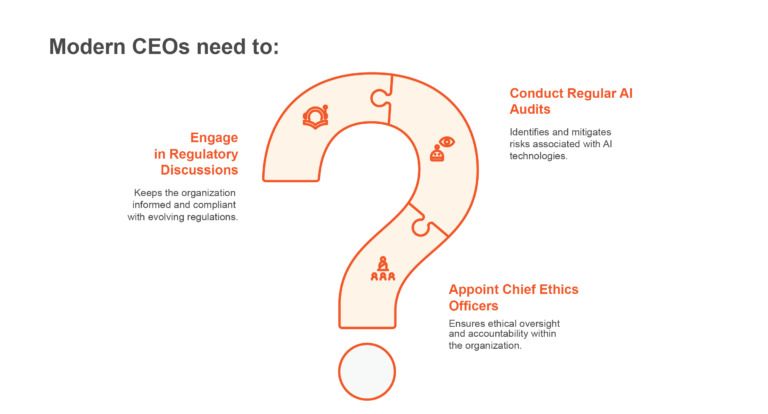
According to a 2023 Deloitte survey, 78% of CEOs believe their company’s long-term trustworthiness depends on ethical AI use.
The modern CEO’s responsibility isn’t to replace people with AI—but to enhance people through AI.
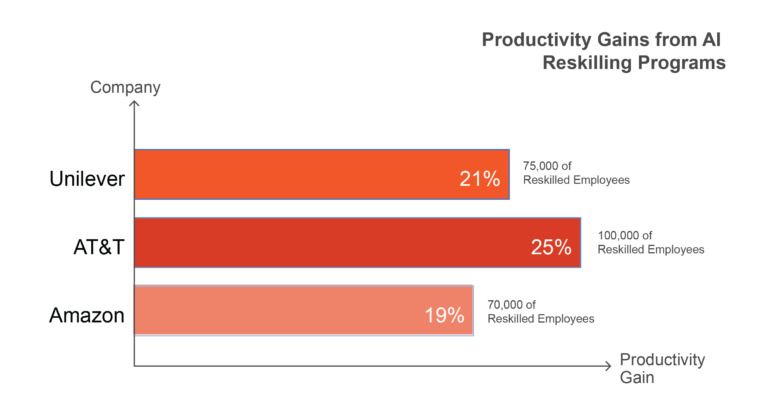
AI isn’t just about internal improvements; it’s a catalyst for product innovation.
Companies that build AI into their strategy are often better positioned to improve innovation, respond faster to market changes, and create new business opportunities.
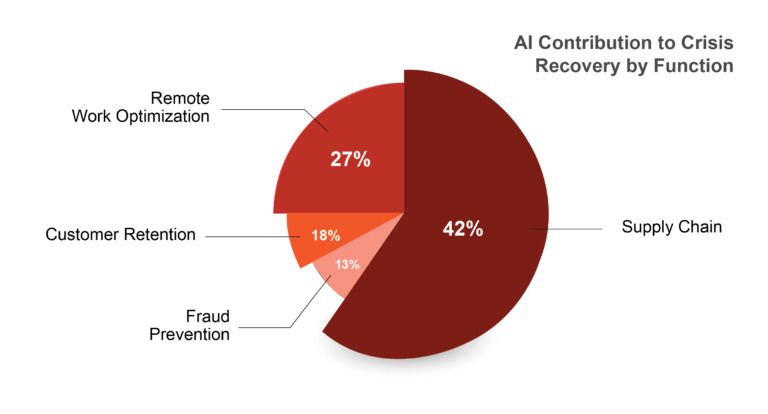
CEOs are tested in crises—and AI gives them an edge.
During the COVID-19 pandemic, CEOs who used AI to optimize supply chains experienced 2.4x faster recovery compared to those who didn’t.
Leading in the AI era is not just about changing the company—it’s about changing oneself.
A survey by PwC found that 64% of CEOs now participate in hands-on AI strategy meetings, compared to just 19% five years ago.
“You don’t need to be a coder, but you do need to understand how code will redefine your customer’s world.” — Angela Kane, CEO of Visionary Retail
The modern CEO isn’t just the boss. They are a transformation leader, a tech-savvy strategist, a cultural steward, and an ethical guardian. In a world where AI is rewriting every industry rulebook, only those CEOs who embrace evolution will remain relevant.
They don’t ask, “Should we use AI?”—they ask, “How do we lead better through AI?” The AI era demands more than experience. It demands adaptability, curiosity, and courage.
Love stories that dive deep into leadership, transformation, and AI? Stay with us for the next chapter in our Leadership x Tech series:

Listen in for business strategies and interviews with business experts to help you build a business and a life that you love.
About Us