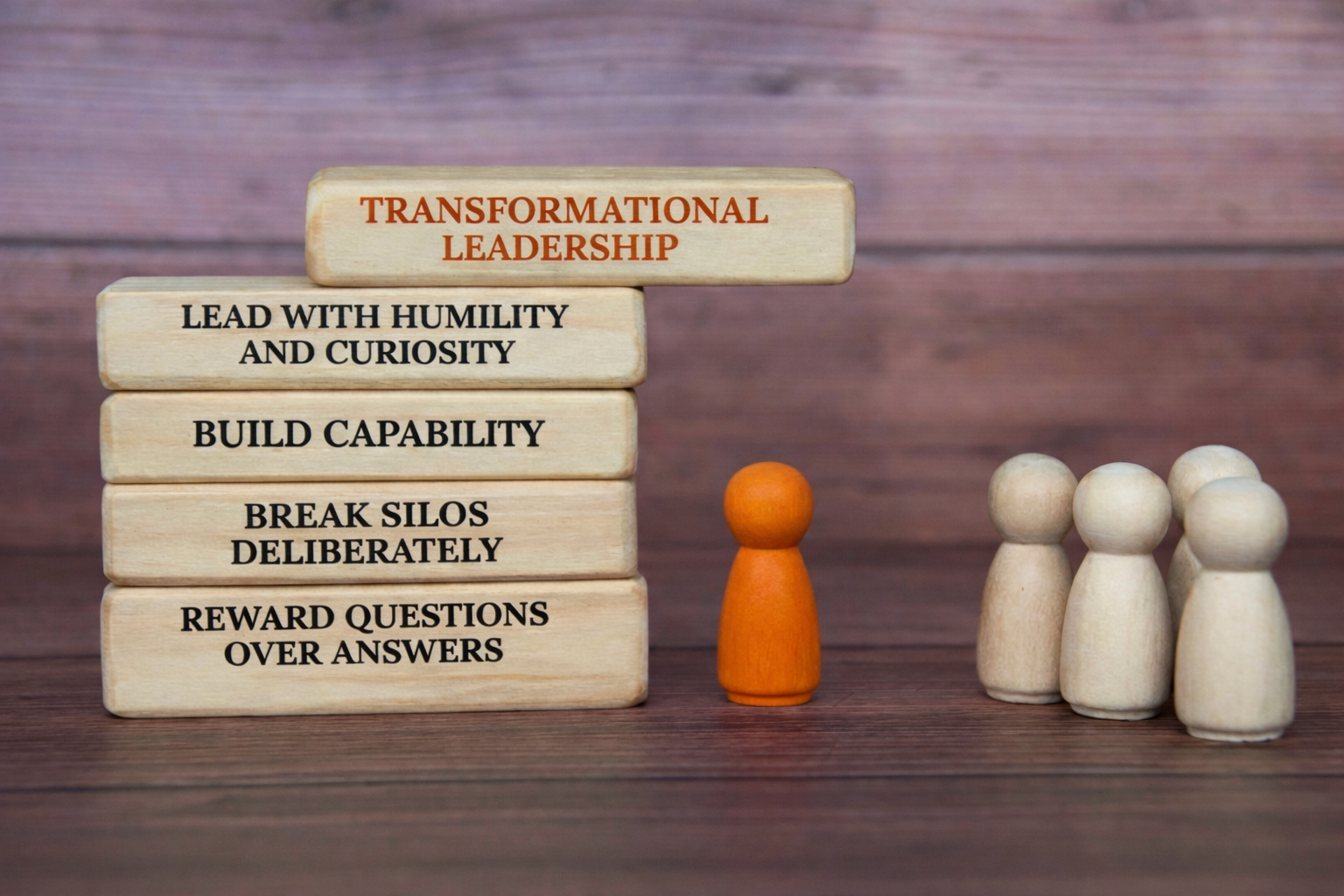
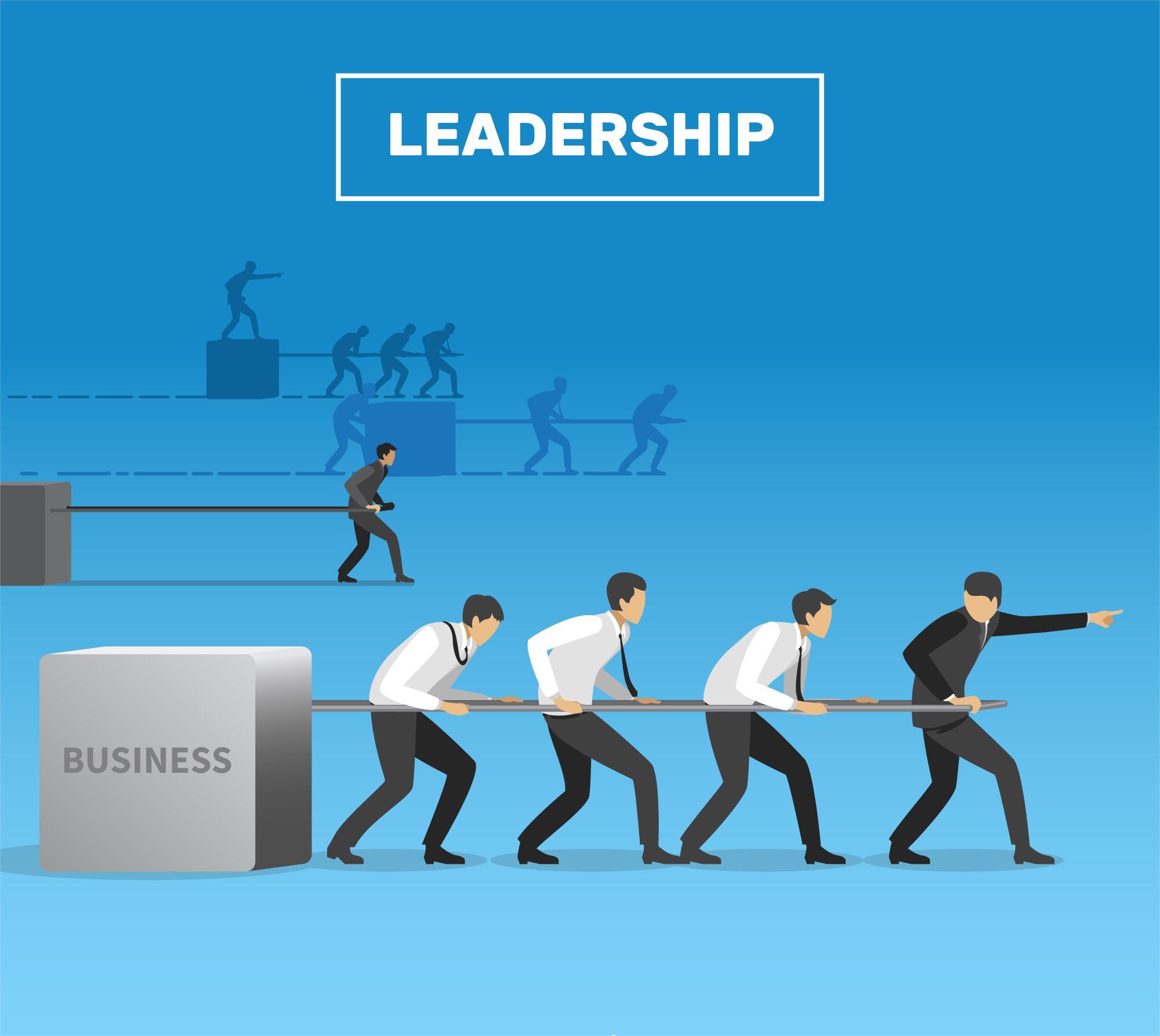
A General Manager at a mid-sized organization thought he was being effective. He solved problems quickly, stepped in when things went wrong, and kept his team moving fast. It felt efficient. He was getting things done. But then he realized something uncomfortable: his team wasn’t growing. They were waiting for him to fix things instead of solving problems themselves. He’d unintentionally created dependency, not leadership.
The shift he made changed everything. Instead of speeding up, he slowed down. Instead of giving answers, he started asking questions. And paradoxically, the company grew faster than it ever had before. This is the counterintuitive reality of the transformational leadership that sometimes the fastest way forward is to lead slower.
The Problem With Moving Fast In Transformational leadership
Most executive leadership today operates on the assumption that speed equals results. Move fast, decide faster, solve problems immediately. But this leader discovered his approach had a hidden cost.
Every time he jumped in with a solution, he robbed his team of the chance to think critically, make decisions, and build their own problem-solving muscles. “I thought being a good leader meant solving problems quickly,” he admits. “But I didn’t realize I was creating dependency.”
The turning point came during a conversation with his team. He asked someone what they thought the best way forward was instead of just telling them. They looked confused they’d become so used to getting answers that they’d stopped generating their own. That’s when he understood: his speed was their ceiling.
Five Transformational Leadership Characteristics That Work By Slowing Down
The transformational leadership he adopted wasn’t about working less or lowering standards. It was about fundamentally rethinking what a leader’s job actually is. Here’s what changed:
1.Replaced solving with coaching:
Instead of providing immediate answers, he started asking “What do you think is the best way forward?” and “What’s blocking you?” One afternoon, a warehouse manager approached him: “We’re behind on inventory counts. Should I hire temporary help or ask the team to work overtime?” He paused. “What do you think would work better?” The manager shifted uncomfortably. “Well… overtime is faster, but the team’s already stretched. Temps need training, which takes time upfront but… I guess temps make more sense long-term.” He smiled: “So what’s stopping you?” The manager realized: nothing. He’d just wanted permission. By solving it himself instead of waiting for approval, he actually moved faster. At first, this coaching approach felt slower. But over time, people became more confident, more resourceful, and genuinely accountable.
2. Involved people to own goals rather than mandating from the top:
When his company tried implementing OKRs, it failed twice. The first time, they created company goals and cascaded them down. People nodded in meetings but had zero ownership. The third time, they changed the approach entirely. Leadership set strategic objectives, then asked each team: “That’s what we’re aiming for. How can you impact that? What will you focus on?” Suddenly, people were involved in shaping their KPIs instead of just receiving them.
3. Hired for mindset and gave the time to develop skills:
One hire came without impressive credentials just two years of experience, no prestigious background. But during the interview, instead of discussing his skills, he asked: “How do you handle disagreement when data says one thing but customers say another?” and “Do teams celebrate wins together or individually?” Most candidates would have highlighted their achievements. This person wanted to understand how the company actually worked. That curiosity made him invaluable. Five years later, that junior hire had become a leader in the organization.
4. Created transparency that built trust slowly but sustainably:
He introduced quarterly company-wide updates sharing financial results, budget status, and progress against goals. Most companies hide these numbers. But transparency built ownership. When people understand how money flows and where struggles exist, they feel like partners, not just employees.
5. Measured staff retention and growth, not just bottom-line results:
This long-term view meant investing in people who might not show immediate ROI, coaching through mistakes instead of replacing underperformers quickly, and accepting that building capacity takes time.
The Era Demanding Different Leadership
The era of AI, climate volatility, and rapid market fragmentation has changed what effective executive leadership looks like. The qualities driving disruptive growth today include:
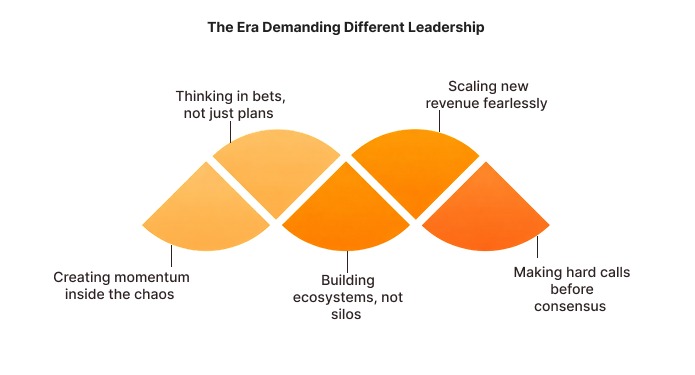
Notice what’s not on that list: moving faster than everyone else or having all the answers immediately. The transformational leadership succeeds because it builds others’ capacity to lead, which creates exponential capability rather than linear output from a single heroic leader.
What Changed When He Slowed Down
The company didn’t slow down; it grew faster. But the growth came from a different source. Instead of one person solving every problem, he had twenty people who could think critically, make decisions, and own outcomes. When he introduced weekly meetings with five key numbers displayed openly revenue, pipeline value, quote-to-order time, overdue receivables, and capacity utilization it changed everything. Before, people would say “Sales are slow.” Now they’d say “Pipeline is up, but quote-to-order time jumped from four days to eleven. What’s causing the delay?” The specificity eliminated blame and focused on solutions.
The bottom line:
Transformational leadership characteristics aren’t about being soft or slow. They’re about recognizing that your job as a leader isn’t to have all the answers or fix everything yourself. It’s about building an environment where others can develop the capacity to lead. And that takes time, coaching, involvement, and the patience to let people struggle toward solutions instead of handing them the answer.
The biggest lesson? Leadership isn’t about fixing. It’s about building others’ capacity to lead. That capacity becomes your competitive advantage not because you move faster, but because you’ve built a team that can think, decide, and execute without waiting for you.
Still solving every problem yourself? Let’s build your team’s capacity to lead with a transformational coaching roadmap.
Looking for more insights on transformational leadership? Click here to read another blog with unique and useful info to help your team perform.
Editor Bio

I’m Isha Taneja, serving as the Editor-in-Chief at "The Executive Outlook." Here, I interview industry leaders to share their personal opinions and provide valuable insights to the industry. Additionally, I am the CEO of Complere Infosystem, where I work with data to help businesses make smart decisions. Based in India, I leverage the latest technology to transform complex data into simple and actionable insights, ensuring companies utilize their data effectively.
In my free time, I enjoy writing blog posts to share my knowledge, aiming to make complex topics easy to understand for everyone.