
A global logistics company was moving millions of packages every day and losing time at every step. Manual processes, siloed data, and outdated systems costing them 40% in efficiency. The fix did not come from hiring more people. It came from rethinking how the entire business operated from the warehouse floor to the last mile delivery. Within a year, they cut delivery time by 40% and reduced costs by 35%. This is what digital transformation looks like when done right. Not just upgrading software. A complete rethink of how a business operates.
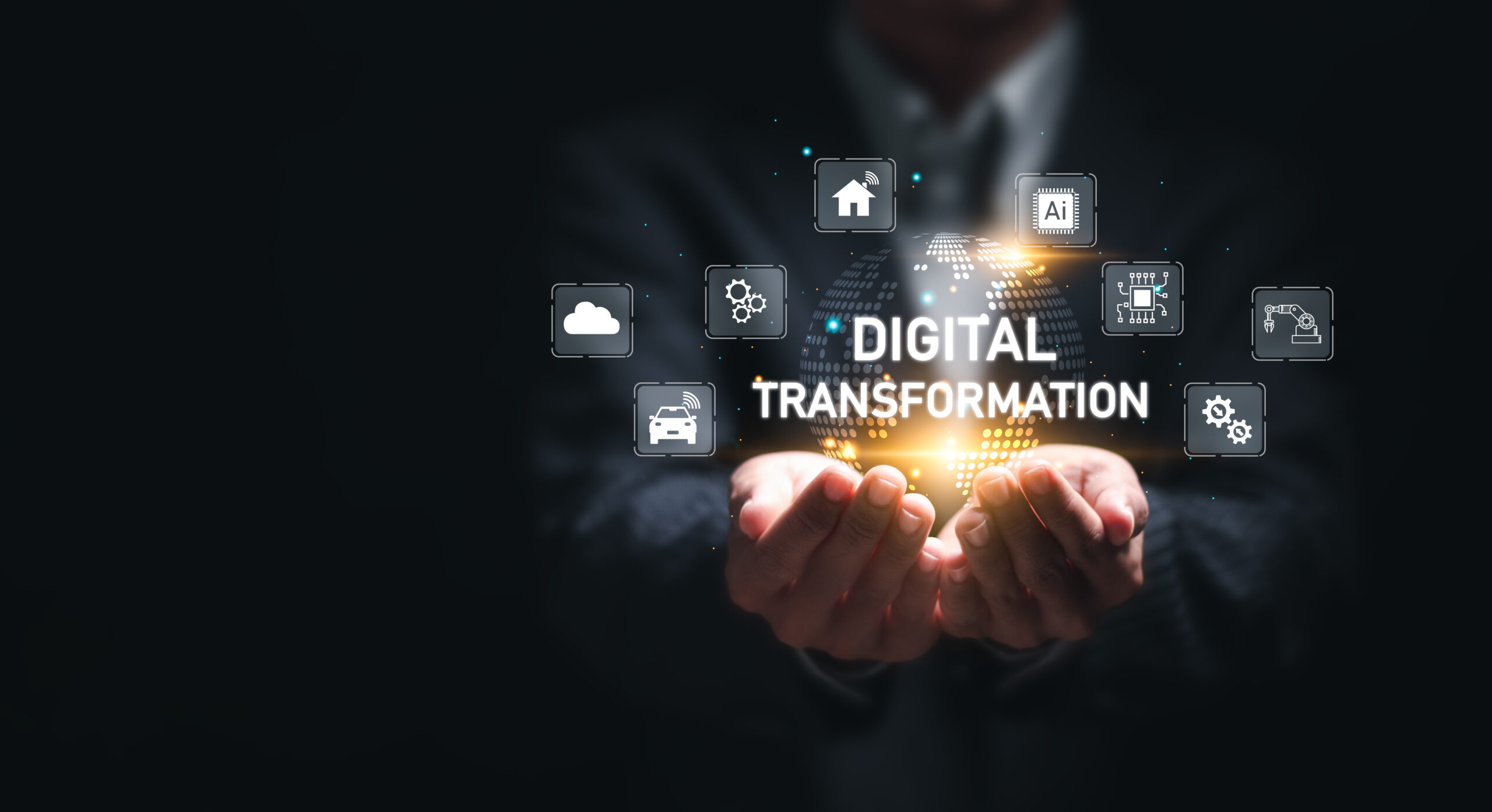
Only 16% of companies report successfully completing this shift. Yet 70% of CEOs say it is their number one priority. So what does it actually mean? Digital transformation is the process of integrating digital technologies into every part of a business changing how it operates and delivers value. It is not a one time project. It is a continuous shift in strategy, culture, and operations. For any leader serious about competing in 2026, understanding this is not optional.
Why Digital Transformation Is the Most Critical Business Strategy of 2026?
Digital transformation is no longer optional. Remote work is here to stay, and customer expectations are evolving rapidly. AI and automation are setting new standards for efficiency, and companies that don’t adapt are falling behind. Businesses that embrace the right transformation strategies see faster growth—up to 2.5x in revenue. Meanwhile, those that delay lose up to 30% in operational costs each year. For CEOs and CTOs, this is a survival conversation, not just an IT issue. Leaders who act early secure compounding returns; those who wait risk getting left behind.
Digital Transformation in Business: 4 Strategies Every Leader Must Execute
1. Start with Data Not Technology:
Most companies jump straight to buying new tools. The logistics example above did the opposite. They mapped every broken process first. Only then did the technology come in. 95% of successful transformations start with a clear data strategy. Without it, even the best tools fail. This is where most organizations get stuck and where the right strategy separates winners.
2. Build for the Cloud Not for Today :
Cloud infrastructure is no longer optional for digital transformation in business. It is the backbone that makes scale and speed possible. Companies that shifted to cloud first operations reported up to 45% in cost savings. The move is not about storage. It is about the ability to adopt AI without rebuilding everything from scratch.
3. Automate the Repetitive. Free the Human:
This is not about replacing people. It is about freeing them. When a manufacturing company deployed IoT sensors across its factory floor, downtime dropped by 60%. The machines handled monitoring. The people handled strategy. That is the right balance, automation handles routine work so humans can focus on growth.
4. Measure Everything. Iterate Fast:
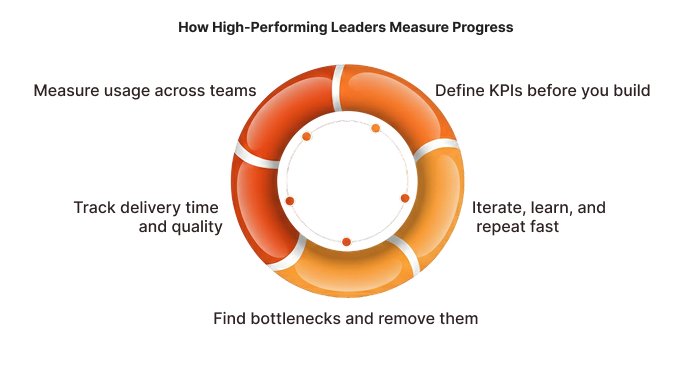
The biggest mistake is launching and hoping. Leaders who build feedback loops tracking results at every stage, adapt 3x faster than those who do not. Transformation is never finished. It is a continuous cycle of testing, learning, and improving. Businesses that treat it this way are the ones that compound over time.
The logistics case study above shows all four strategies working together. Data came first. Cloud strategy made it scalable. Automation freed the team. Measurement kept it improving. No single tool drove the change. It was the combination of data, infrastructure, automation, and iteration that created a permanent shift.
For leaders facing pressure to adopt AI, cut costs, or scale faster, the foundation has to come first. Leaders who build it now will not just keep up with the competition. They will pull ahead. That gap only widens with time.
Conclusion
Digital transformation in 2026 is not about the technology a business adopts. It is about how that business thinks, operates, and adapts. The strategies that define success, data first thinking, cloud infrastructure, smart automation, and continuous iteration are not optional upgrades. They are the foundation of every business that will still be thriving five years from now.
Is your business ready for what comes next or still running on yesterday’s systems? Reach out to us today and let’s find out.
Editor Bio

I’m Isha Taneja, serving as the Editor-in-Chief at "The Executive Outlook." Here, I interview industry leaders to share their personal opinions and provide valuable insights to the industry. Additionally, I am the CEO of Complere Infosystem, where I work with data to help businesses make smart decisions. Based in India, I leverage the latest technology to transform complex data into simple and actionable insights, ensuring companies utilize their data effectively.
In my free time, I enjoy writing blog posts to share my knowledge, aiming to make complex topics easy to understand for everyone.