

How CIO Digital Transformation Redefines the CIO–CTO AI Partnership

How CIO Digital Transformation Redefines the CIO–CTO AI Partnership
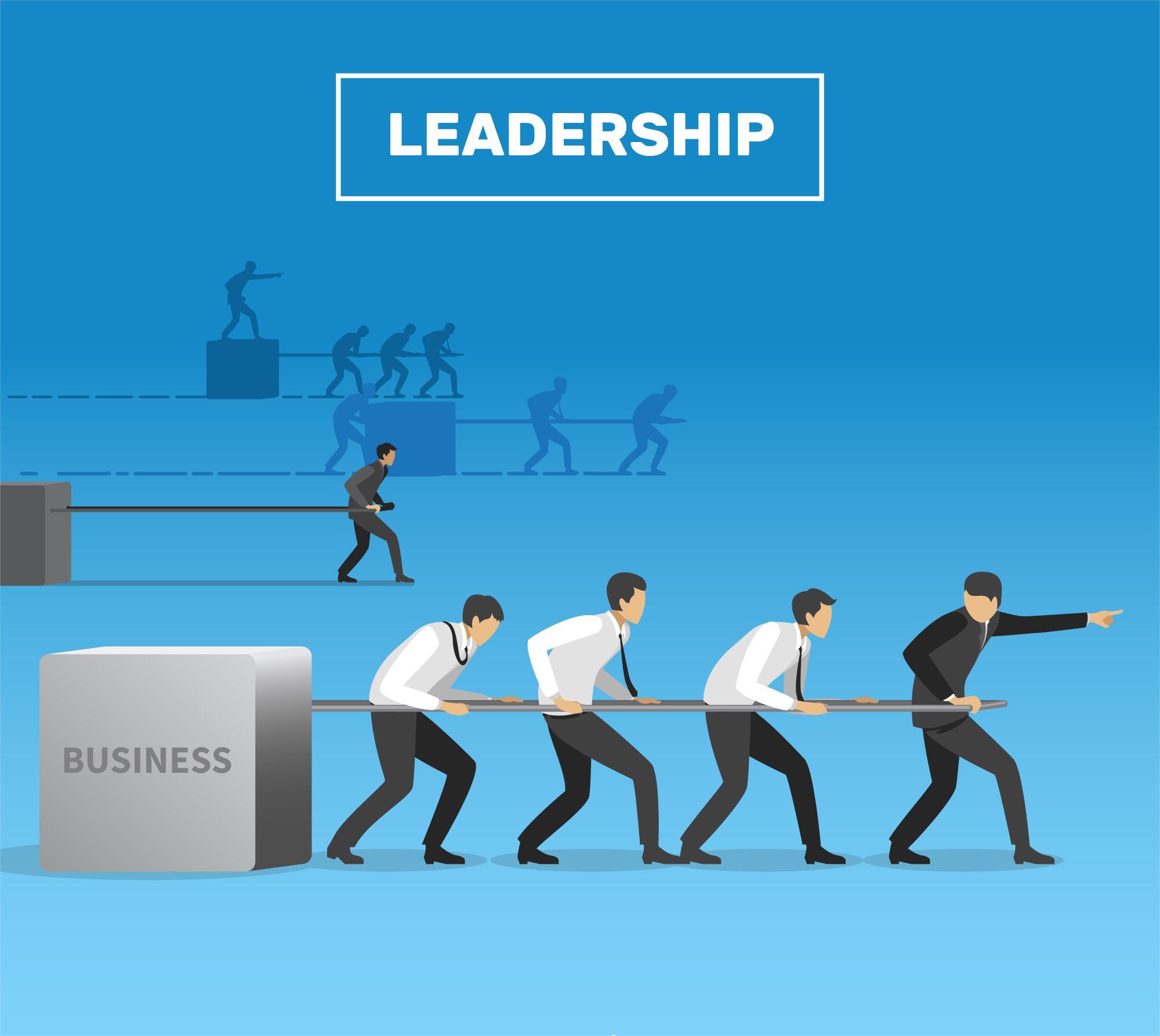
For years, digital transformation was treated like a big IT project—new platforms, migrated systems, dashboards, and a launch. In 2026, cio digital transformation looks very different. The CIO is no longer judged only on uptime and delivery speed. They are expected to think like a business leader who understands customers, risk, revenue, and regulation as deeply as infrastructure and security. Boardrooms are no longer impressed by how many applications moved to the cloud. The questions are practical: What operational friction disappeared? Which customer journeys became simpler? Which risks became easier to monitor or explain? If a transformation cannot answer those in plain language, it rarely survives the next budget cycle. This is also where the role of the CIO intersects directly with the ai cto / cto ai agenda. Instead of running parallel tracks—CIO on “systems,” CTO on “innovation”—leading organizations are forcing these roles to converge around one truth: technology only matters if it changes how the business runs every week. Modern transformation succeeds when the CIO and CTO stop competing for ownership and start sharing responsibility for outcomes. The CIO typically brings legacy understanding, data quality, integration, governance, and risk discipline. The CTO—often positioned as the ai cto—brings experimentation, new architectures, and AI possibilities. Alone, each role is incomplete. Together, they can build transformation that is ambitious, but still auditable, compliant, and reliable.

How the CIO–CTO AI Partnership Works in Practice (2026)

Partnership Area 

What It Looks Like 

Shared language 

They talk in business outcomes (lead time, churn, error rates), not tools 

Shared roadmaps 

CTO pilots depend on CIO-ready data platforms and integration 

Shared accountability 

Both explain what changed in numbers and risk—not just what was built 

Shared governance 

Experiments don’t scale until controls and ownership are clear 

Shared measurement 

Every initiative ties back to a KPI, cadence, and responsible owner 

A key shift in cio digital transformation is that success is no longer measured by go-live dates. It’s measured by how the operating model changes after go-live. Do teams still work around systems with spreadsheets? Do managers still wait for monthly reports? Or are they making daily decisions using live data and AI signals—with clear guardrails from the CIO and the cto ai function?

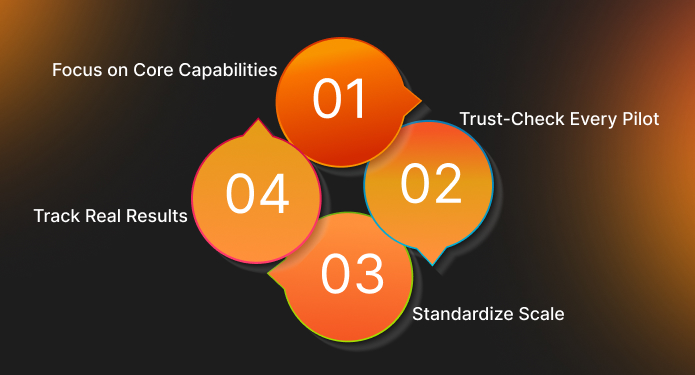
How Do CIO and AI CTO Roles Stay Aligned Without Slowing Innovation?

1 - Focus on Core Capabilities

The partnership works best when both leaders align on a small set of outcomes (like onboarding speed, fraud response, claim cycle time). This prevents “pilot sprawl” and keeps innovation tied to priorities.

2 - Trust-Check Every Pilot

If the data is inconsistent, the model becomes noise. CIO-led data quality, lineage, and ownership ensure the CTO’s experiments don’t scale into reputational or compliance risk.

3 - Track Real Results

The board cares about fewer manual reconciliations, faster decisions, reduced errors, and traceable workflows. When both leaders report on operational impact, the partnership becomes credible.

4 - Standardize Scale

Instead of big-bang change, high-performing teams standardize how ideas are proposed, tested, governed, deployed, and monitored. This makes transformation a habit, not an event.
How Do CIO and AI CTO Roles Stay Aligned Without Slowing Innovation
In this model, the CIO becomes the stabilizer of trust and governance, while the ai cto becomes the accelerator of safe experimentation. Together, they shift digital transformation from a one-time program into a continuous operating system—where new capabilities are added, measured, and improved without breaking reliability.
Ready to align cio digital transformation and AI CTO vision? Let’s turn your tech roadmap into measurable outcomes.

Editor Bio

Isha Taneja

I’m Isha Taneja, serving as the Editor-in-Chief at "The Executive Outlook." Here, I interview industry leaders to share their personal opinions and provide valuable insights to the industry. Additionally, I am the CEO of Complere Infosystem, where I work with data to help businesses make smart decisions. Based in India, I leverage the latest technology to transform complex data into simple and actionable insights, ensuring companies utilize their data effectively.
In my free time, I enjoy writing blog posts to share my knowledge, aiming to make complex topics easy to understand for everyone.

Leave a Reply

Your email address will not be published. Required fields are marked *