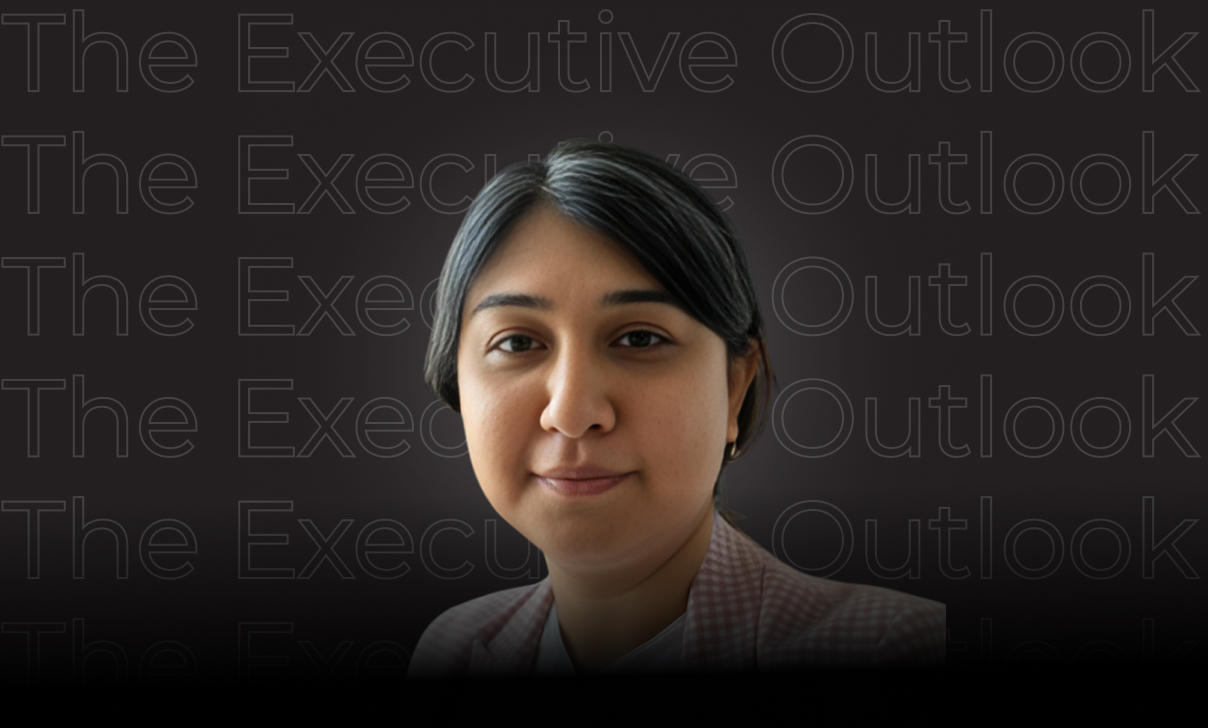
During a recent conversation with The Executive Outlook, Ananya Som, Co-Founder of Dattanx, shared her thoughtful journey, one that began with curiosity, grew through challenges, and evolved into a purposeful mission around data strategy and organizational intelligence.
Her story isn’t filled with complex theories or heavy terms. It’s about a person who believes in doing the simple things right, using data not just to predict outcomes but to understand people and patterns better.
A Journey Rooted in Curiosity
When Ananya talked about her early career, her eyes lit up with memories of discovery.
“I started out with a deep curiosity about how organizations make decisions,” she shared. “I always wondered why some teams move fast and confidently, while others get stuck despite having the same data.”
That question became her lifelong pursuit. Her fascination with data wasn’t about numbers; it was about the stories behind the numbers, the people, the processes, and the purpose behind every figure.
She continued by saying that over time, she realized data is like water, everyone has access to it, but only a few know how to store and use it wisely. “If you don’t handle it right,” she smiled, “it either floods you or dries up when you need it most.”
Prefer to listen on the go? Tune in to the full podcast episode on Spotify below:
From Data to Strategy
As her career evolved, Ananya moved from managing data to shaping data strategies for mid-sized firms. These were organizations full of passion but struggling to connect their data systems with real business goals.
“Many companies I worked with didn’t lack data,” she said. “They lacked direction. Everyone was collecting information, but no one knew what to do with it.”
She defined this as the ‘data-to-decision gap’, when insights stay buried under dashboards instead of driving action. To bridge that gap, she built a simple framework that helped teams treat data as part of their daily decisions, not just monthly reports.
“Mid-sized firms stand at a crossroads,” she explained. “They have enough data to act smartly, but sometimes they rely too much on gut instinct. The real power is in combining both.”
Watch the full conversation on YouTube by clicking the link below:
Building Trust in Data
Ananya emphasized that the biggest challenge in data isn’t technology, it’s trust.
“If your team doesn’t believe in the data, no dashboard or tool will help,” she said. “Trust grows when people know where the data comes from and how it’s used.”
She added that data literacy plays a big role. “Even a small session explaining the logic behind a report can make a team more confident,” she said. “When people feel included, they start owning the outcomes.”
According to her, building a data-positive culture means keeping things transparent. “You don’t need to make it fancy,” she smiled. “Just make it useful.”
Lessons From Experience
When asked about data governance, Ananya Som shared a story.
“There was this one company,” she recounted, “where every department had its own version of the truth. Sales had one number, finance had another, and operations had a third.”
She laughed softly. “And everyone was right in their own way because each used data differently.”
That experience taught her that data governance isn’t about accuracy alone, it’s about alignment. She further defined it as “getting everyone to speak the same data language.”
To solve the issue, she helped the company create a central data map, a shared understanding of what each number meant. “Once people saw the same picture,” she said, “decisions became faster and meetings shorter.”
Her story showed that data is first a people problem, then a technical one.
Why Simplicity Wins
In an era where everyone talks about AI and automation, Ananya believes the real strength lies in simplicity.
“Before thinking about advanced tools,” she said, “companies should focus on clean, organized data. If your data is messy, your AI will reflect that mess.”
She explained that clear, reliable data builds confidence, even among non-technical leaders. “When a CEO or HR head can read a dashboard and understand it easily, that’s when your data strategy is truly working.”
Her Simple Framework
When the conversation turned to her framework for data quality, Ananya explained it in three simple questions:
“Where is your data coming from? Who is using it? And how often do you trust it?”
She said these questions might sound basic, but they reveal real gaps. “In many firms, data flows through multiple tools, but no one owns the process. We fix results instead of fixing the root.”
Her approach focuses on traceability, knowing the story of every dataset from start to decision.
“Documentation and collaboration are two underrated heroes,” she added. “When you write things down, you make them real. When you involve others, you make them sustainable.”
AI for Mid-Sized Firms
When asked how mid-sized firms can embrace AI, Ananya gave a calm and grounded answer.
“You don’t need to start big,” she said. “Start where it hurts the most.”
She explained that if your reports take too long to prepare, automate that first. If your customer data is scattered, organize it before building anything advanced. “AI should solve real problems,” she said, “not create new ones.”
According to her, the journey to AI readiness begins with clarity, not complexity. “AI isn’t about robots,” she smiled. “It’s about discipline and consistency.”
The Human Side of Leadership
What makes Ananya stand out is her humble leadership style.
“Leading with data isn’t about knowing everything,” she said. “It’s about asking the right questions and creating a safe space for others to share ideas.”
She added that her proudest moments are when her team surprises her with solutions she hadn’t thought of.
“That’s when you know your strategy is alive,” she smiled. “Because people own it, not just follow it.”
Looking Ahead
As our conversation came to an end, Ananya reflected quietly.
“The future will belong to those who stay curious,” she said. “Technology will change every year, but curiosity will always be our best tool.”
She ended with a thought that captures her philosophy:
“Data doesn’t replace human thinking, it refines it.”
Her words left an impression, not of a consultant chasing trends, but of a leader in building clarity and trust in a world of complexity.
For more inspiring stories of leaders shaping the future of data, AI, and strategy, stay tuned with The Executive Outlook.
Editor Bio
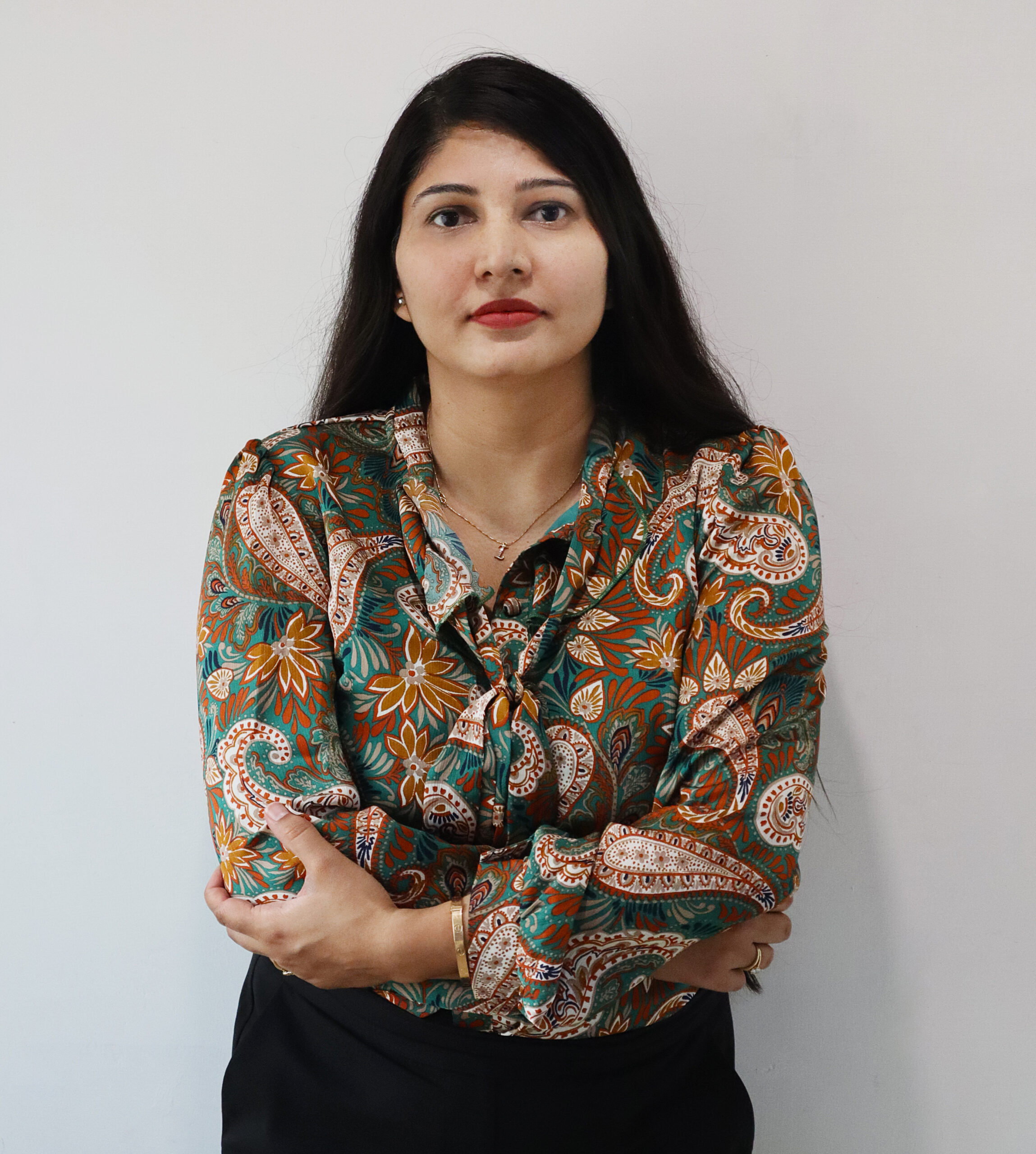
I’m Isha Taneja, serving as the Editor-in-Chief at "The Executive Outlook." Here, I interview industry leaders to share their personal opinions and provide valuable insights to the industry. Additionally, I am the CEO of Complere Infosystem, where I work with data to help businesses make smart decisions. Based in India, I leverage the latest technology to transform complex data into simple and actionable insights, ensuring companies utilize their data effectively.
In my free time, I enjoy writing blog posts to share my knowledge, aiming to make complex topics easy to understand for everyone.